Flat Strapping
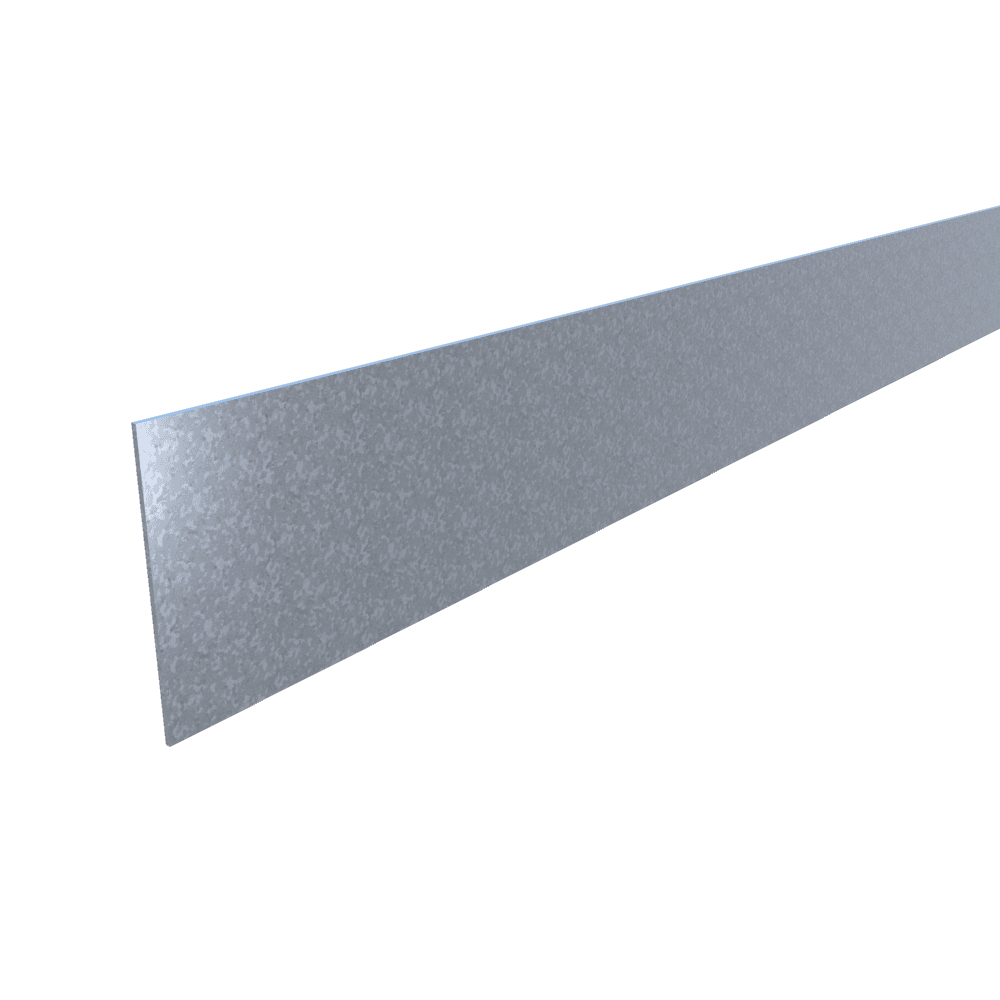
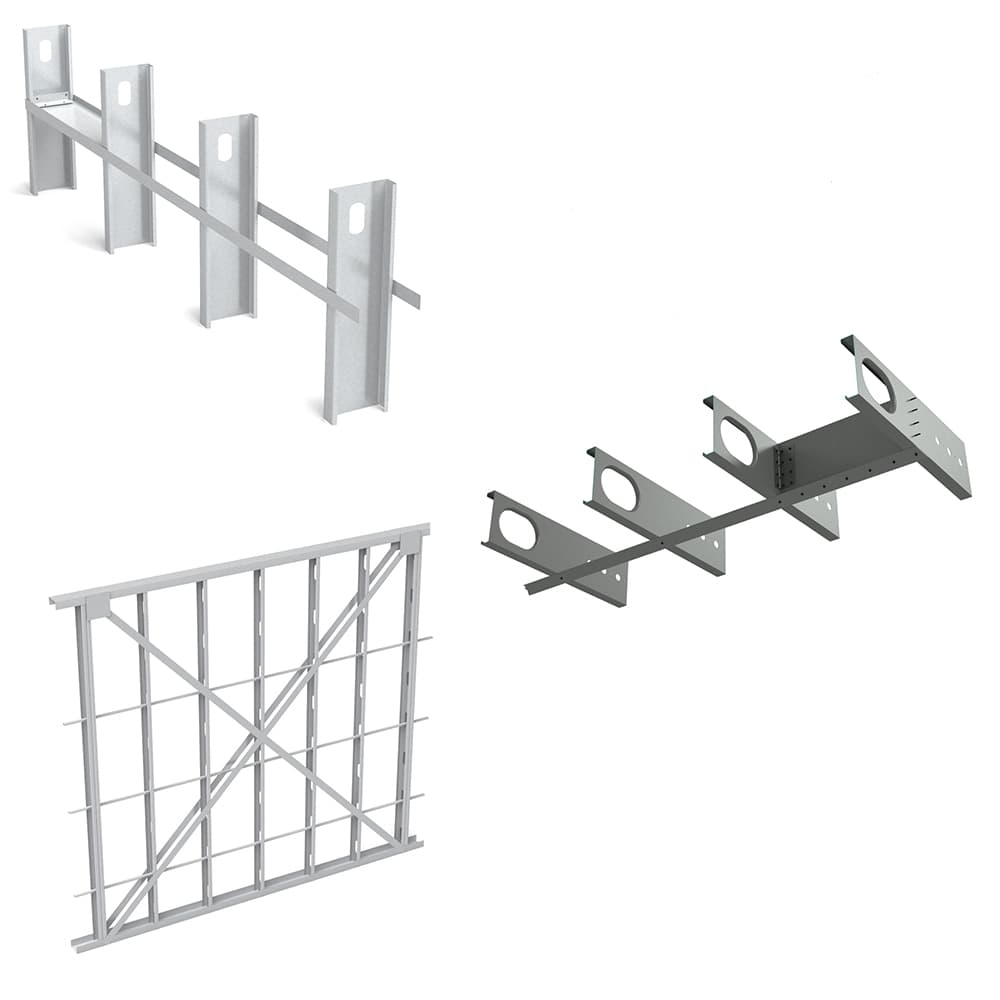
Multipurpose flat stock used for bracing, bridging or tension strapping
Flat Strapping is made in a variety of widths and thicknesses to meet different application requirements.
Quick Actions:
Flat Strapping is made in a variety of widths and thicknesses to meet different application requirements.
Applications include:
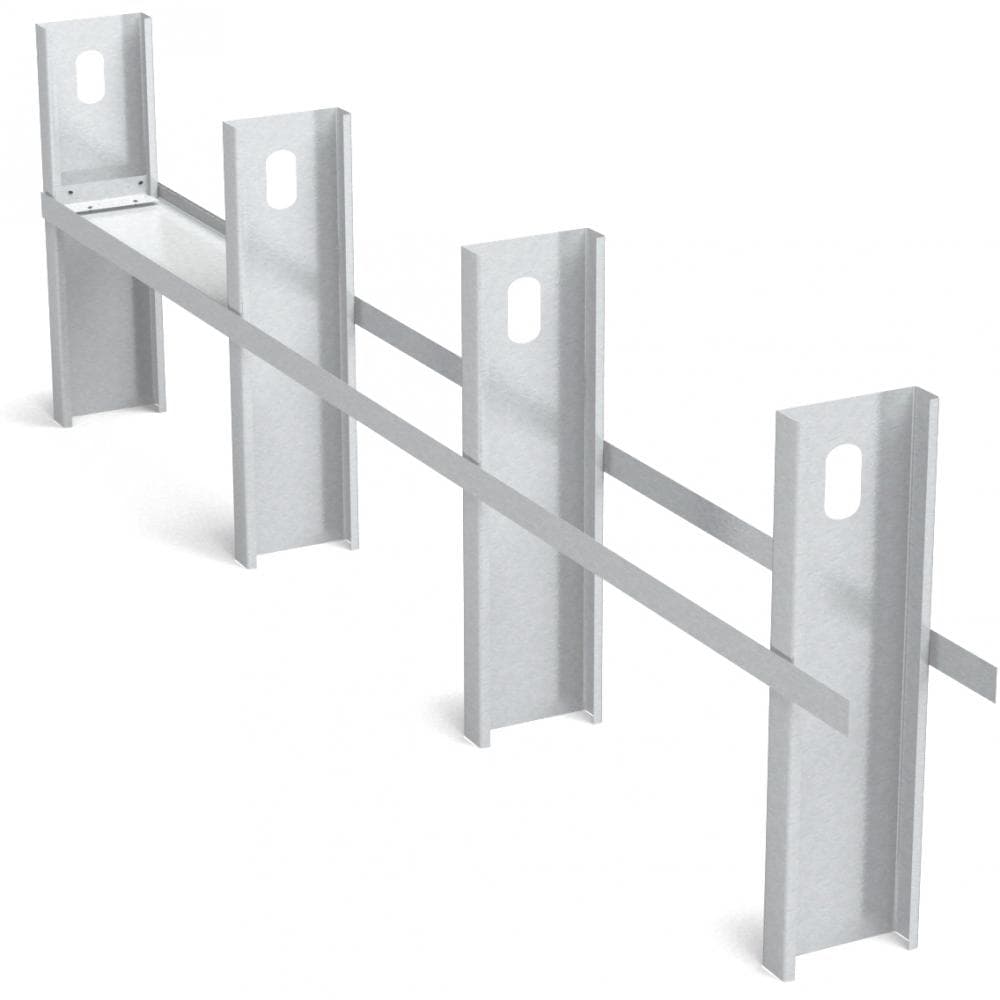
- Horizontal strap lateral bracing for wall studs
- Strap bridging for bottom of floor joists
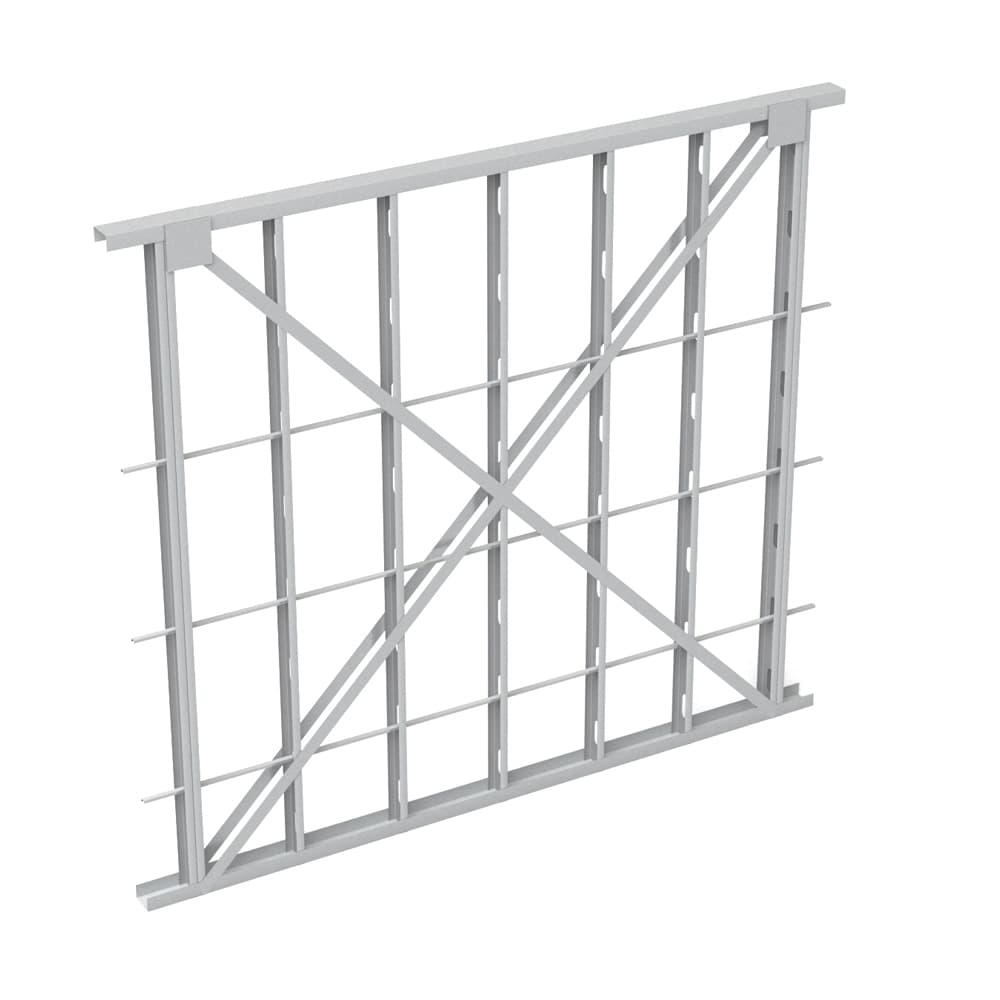
- Tension strapping for shear wall x-bracing
- Clip Express Sales at 866-638-1908 or clipexpress@clarkdietrich.com
- Technical Support at 888-437-3244 or support@clarkdietrich.com
Product Data & Ordering Information
Strapping is available in coil form or flat length of 10'
- 10' long strapping widths available: 1" to 12”
- Click here for coil form strapping in 1", 1-1/2",2",2-1/2" and 3" widths
Thicknesses: 18mil (25ga) - 97mil (12ga)
Coating & Yield Strength must be specified at the time of order
Coatings:
18mils - 30mils = G40EQ (G40 or G60 available)
33mils - 97mils = CP60 (G90 available)
Yield Strength:
18mils - 43mils = 33ksi (min)
54mils - 97mils = 50ksi (min)
Horizontal strap lateral bracing for wall studs
Commonly used bracing for wall studs deeper than 6"
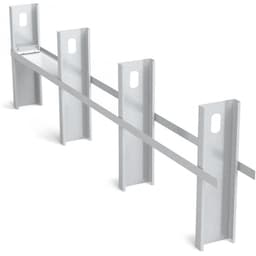
Properly spaced horizontal steel bracing provides resistance to stud rotation and minor axis buckling under wind and axial loads. Block and strapping is typically used when wall studs exceed 6". U-Channel or the Spazzer® bar does not provide sufficient bracing for members wider than 6". Both stud flanges must be attached to top and bottom runner flanges to provide proper end support. Floor and ceiling runners must also be anchored securely to the structure. To utilize the stud’s load carrying capacity fully, horizontal bracing must be installed at proper intervals.
Strap bridging for bottom of floor joists
Used to prevent joist rotation and lateral movement
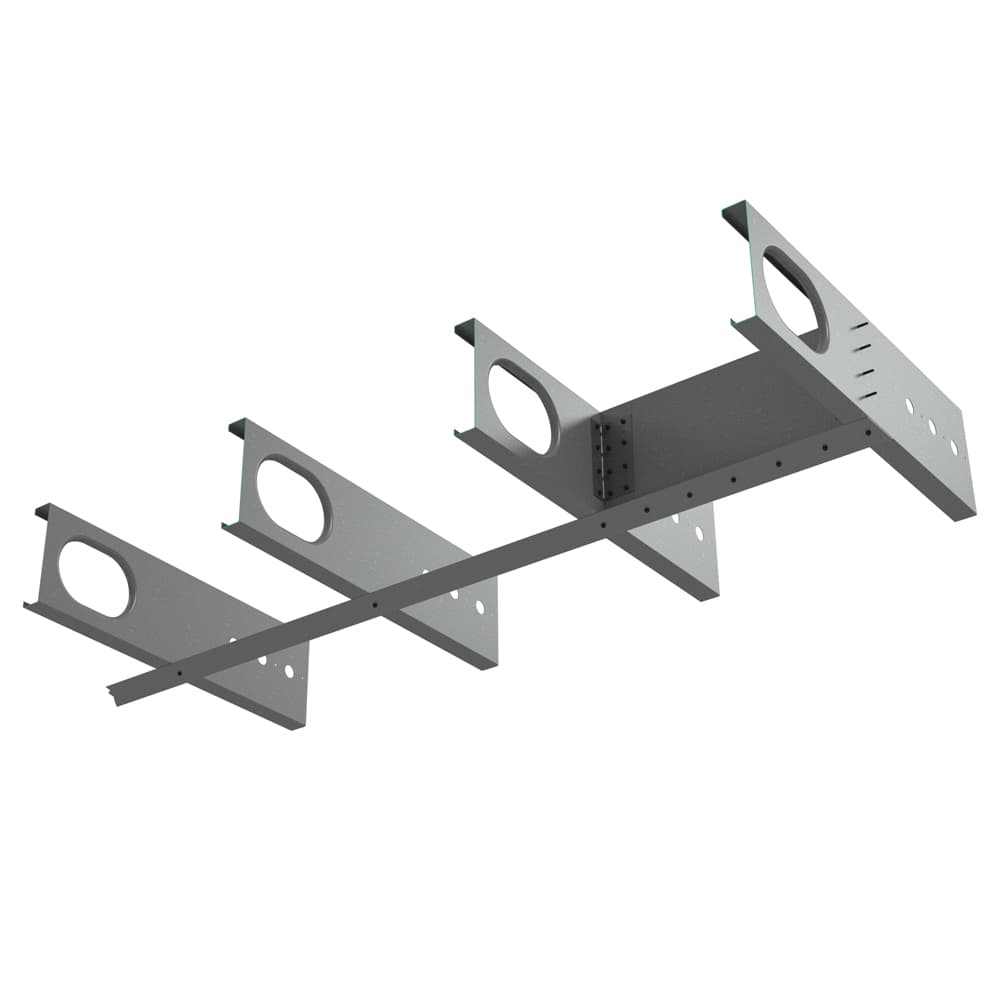
Block and strap bridging is installed to prevent joist rotation and lateral movement. Solid blocking, a field-cut track or joist section, is welded or screw-attached between the first and last two outer joist bays and at a maximum of 8' O.C. along the strap, over all interior supports and adjacent to floor openings. Two-inch wide corrosion resistant strapping is also screw-attached or welded to the bottom of every joist flange. Lateral support on the top flanges is usually provided by sub floor or deck material.
Tension strapping for shear wall x-bracing
Bracing for load-bearing framing to resist racking under wind and seismic loads
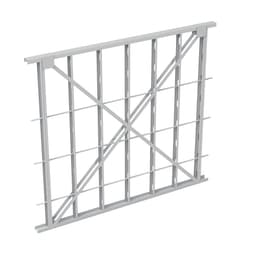
Diagonal tension strapping and gusset plate components are used in combination to provide shearwall (racking restraint) for light-gauge load-bearing framing under wind and seismic loads. They are normally installed on both sides of the wall directly over framing members and are easily covered with facing materials. Straps are positioned diagonally from the bottom track to the top track. In order to resist load in each direction, an X-configuration should be used. At a minimum, double studs are positioned at ends of the X-brace to serve as compression studs.
